HDPE Liner Installation Services
Royal Oceans uses High-Density Polyethylene (HDPE) geomembrane liners at municipal landfill sites, nature conservation areas, industrial water tanks, sewage ponds, waste lagoons, and more around the world. All our technicians are qualified in special welding methods for joining different liner segments together. Before handing over the liner, we conduct rigorous tests of all seams to ensure that it will meet our strict design requirements.
Why HDPE Liner Installation Quality Matters
A geomembrane is as useful as its joints. Most of the results in the industry indicate that the majority of liner breakdowns are due to the faults made during installation rather than manufacturing defects. A weld that was not done properly, an anti-anchored edge, or some other test that was missed can turn a 20-30 year life of a liner into a total loss of money as expenses on repairs much exceeds the initial figure of installing it.
This is the difference between suppliers who sell geomembrane products and contractors who have undergone proper training for their installation. Royal Oceans is a company that does the latter. Every project receives full QA/QC support and this is fulfilled with the delivery document.
Our Services
- Marine Dredging and Excavation
- Land Reclamation & Beach Nourishment
- Breakwater & Shore Protection
- Jetty Construction
Contact Us


HDPE Liner Installation Process
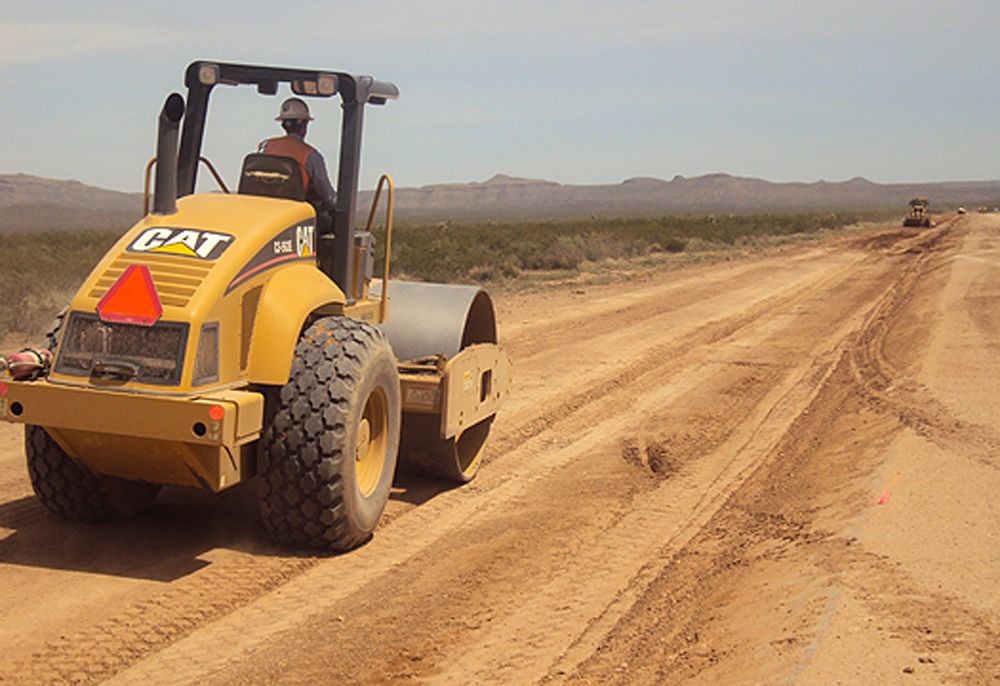
Subgrade Preparation
Grading, compaction and inspection of the foundation layer for sharp objects, voids or irregularities prior to unrolling a single panel. Poor subgrade is the one most often reason for premature puncture of a liner — we don’t take shortcuts on the programme to save a day on the subgrade.
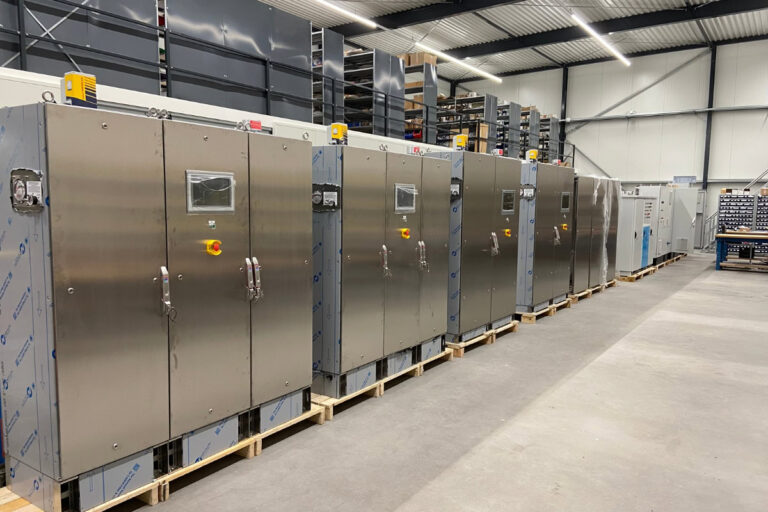
Panel Layout & Deployment
Typically: 1.5 mm – 3 mm / 60 mil – 120 mil, depending on the project loading, the HDPE rolls are placed based on the panel layout drawing, taking the thermal expansion and correct seam overlap into account. The sequence of deployment is based upon weather conditions; both the quality of the weld and wind and surface temperature conditions are affected.
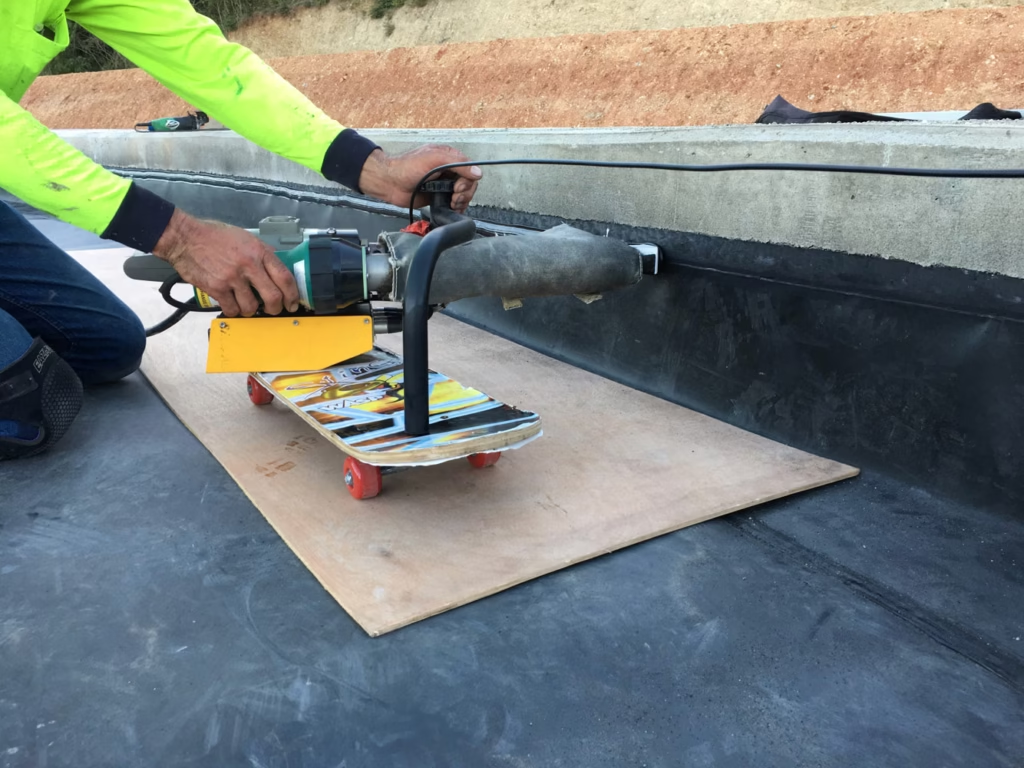
HDPE Liner Welding
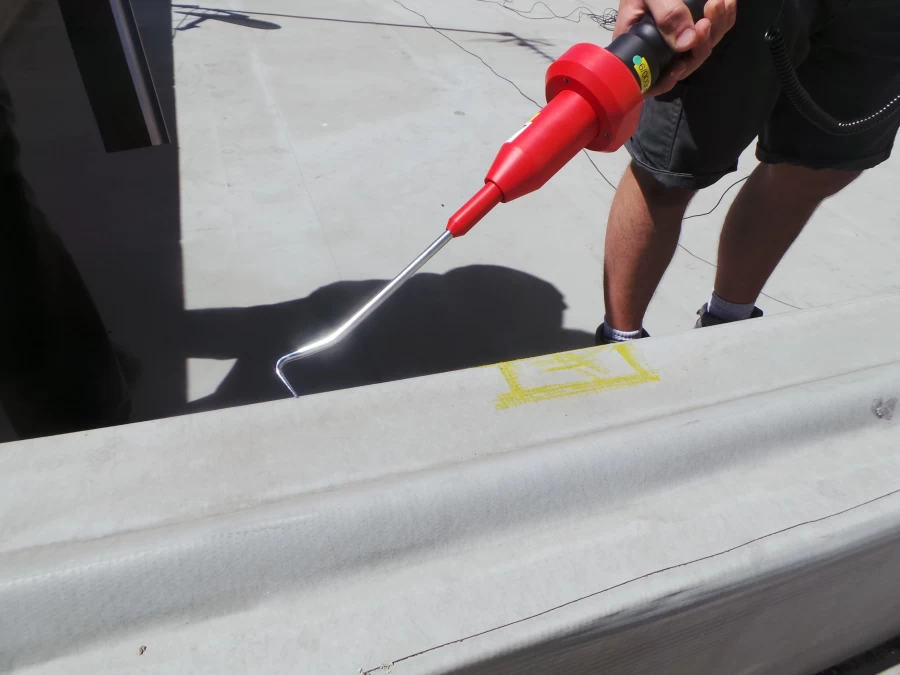
Hot wedge (fusion) welding for long, straight panel-to-panel seams: Produces a double track weld with an air channel between the two tracks, which is testable. Extrusion welding for detail work: patches, penetrations, pipe boots, corners and repairs. All welders and operating ambient conditions are calibrated and all the welders are the ones trained to the relevant international welding procedures.
Seam Testing
Due to continuous deposition of sediments by tides, currents and other natural coastal processes, maintenance dredging involves the removal of these deposits before they interfere with navigation or port operations.
Anchoring & Termination
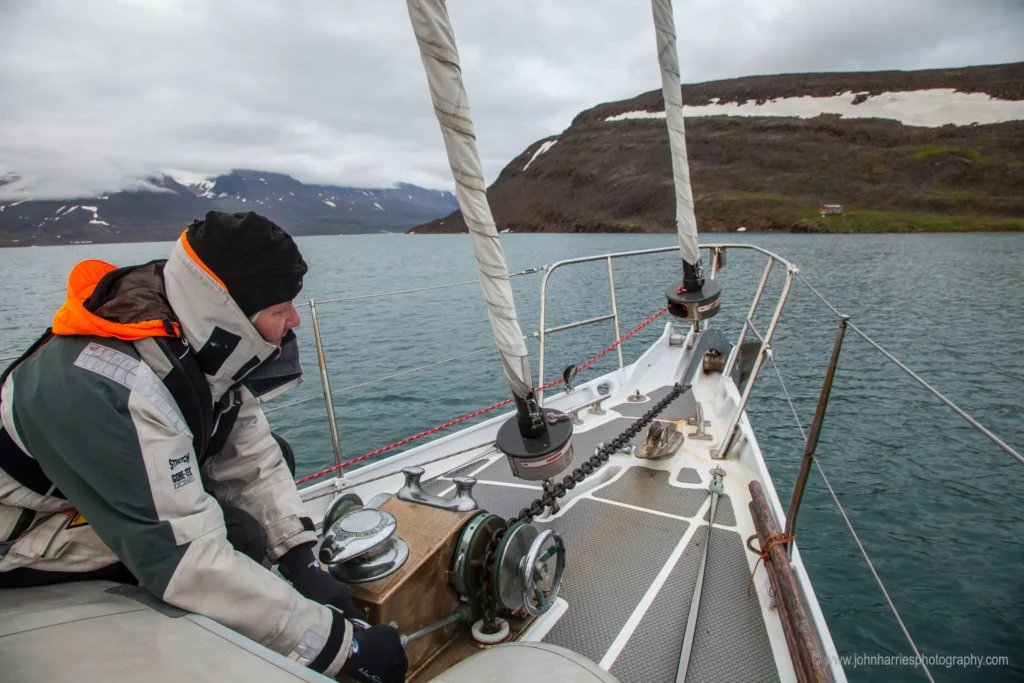
Liner edges are fastened in anchor trenches or mechanical batten systems per design, and are sized to resist wind uplift and hydrostatic forces until backfill or ballast is completed.
Inspection & Handover
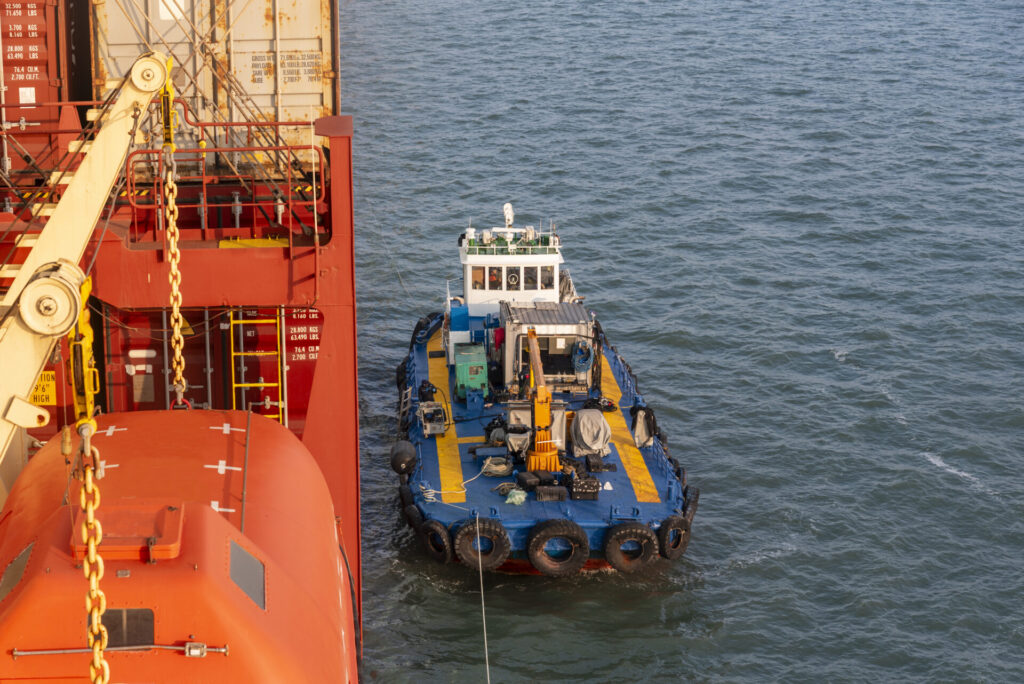
The project is delivered with a full as-built package and panel layout, seam log, test results and material certificates, providing the client with a defensible record for regulatory and insurance.
Why Choose Us?
Our field staff is a call away from your doorsteps to provide you with a solution for your challenges.

Experienced Marine Engineers
Proven expertise in handling challenging marine construction projects

Modern Dredging Equipment
Dependable machinery designed for various project requirements and sediment conditions

Environmental Protection
Controlled procedures, approved waste disposal systems, and environmental monitoring to reduce the ecological footprint

Project Management Under One Roof
A single experienced crew from project initiation until completion
Our Related Services
Frequently Asked Questions
How long will HDPE installation take?
This depends on several elements, such as the site and accessibility. The time required for installation and testing of the average size liner ranging from 10,000 to 30,000 square meters is two to four weeks in good weather.
Can you install HDPE liners in high-heat or windy conditions?
Welding takes longer in both kinds of weather so deployment and welding teams are scheduled to begin work in the early morning or late evening to minimize the effect of the summer heat.
How thick does the HDPE need to be?
It depends on how the liner will be used, as well as the nature of the substrate and water/chemical loads. Make sure to have a survey done before determining the right thickness.
Do you issue documentation regarding seam tests?
Indeed, every undertaking is finalized with a complete report on seams (the results of air, vacuum, spark and destructive tests, when required) lined up according to the panel design.
What about the application of HDPE?
We can perform both duties; hence, we can either provide the necessary materials for the installation or install the materials supplied by you, if they correspond to project requirements.